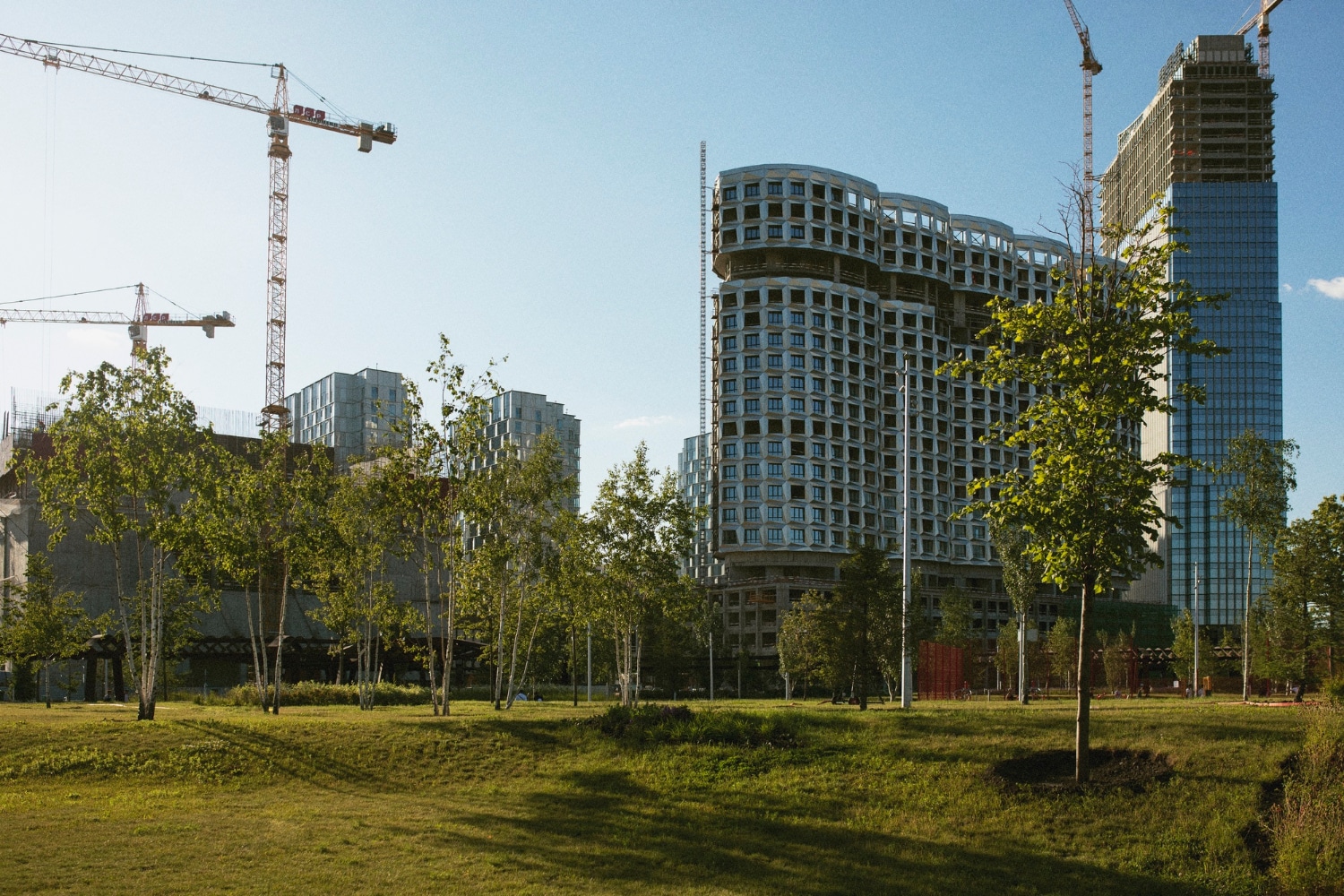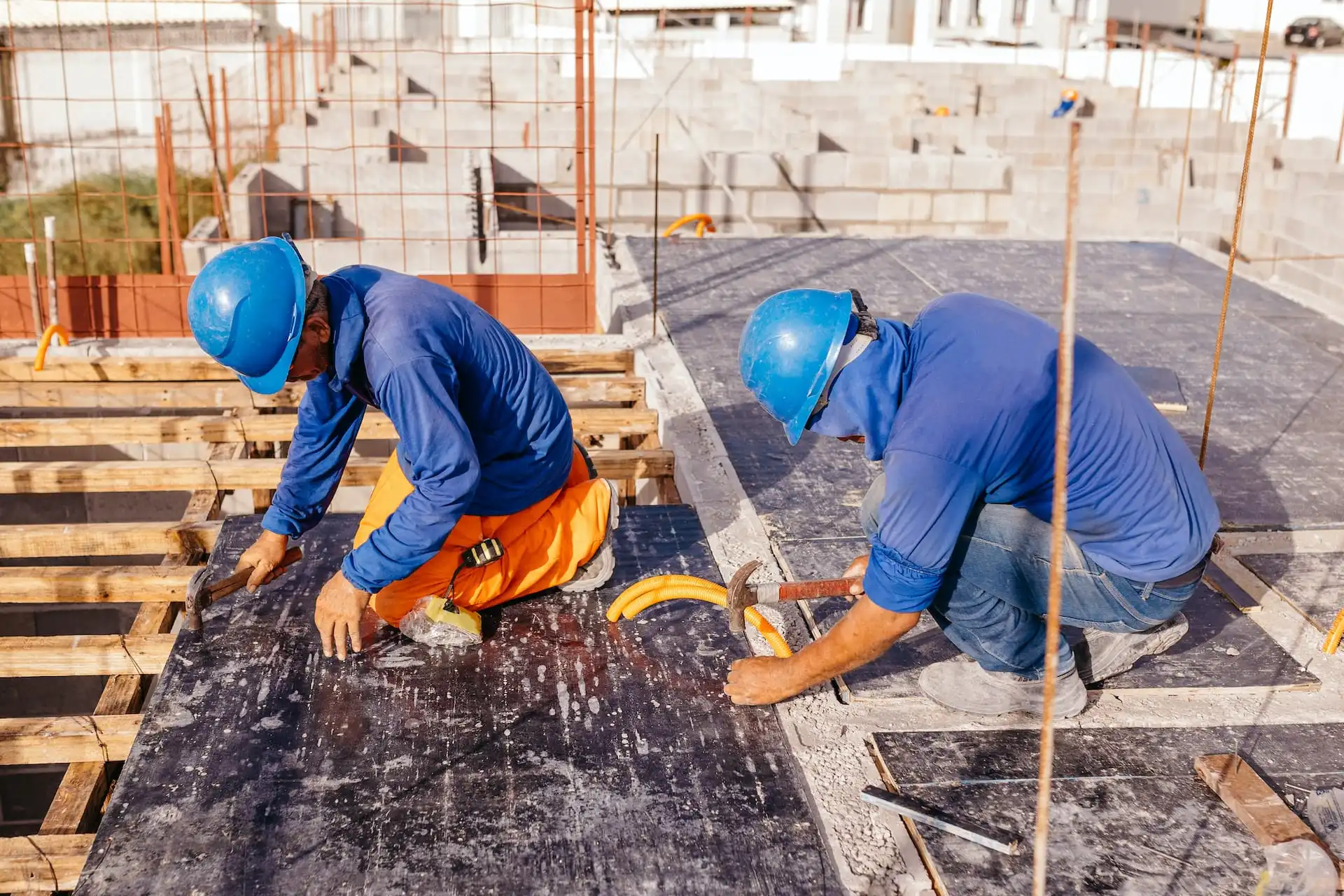


In today’s world, it has become increasingly important to consider the environmental impact of human activities, especially when it comes to construction and development. With a growing global population and rapid urban expansion, responsible development is essential in ensuring we create sustainable communities that prioritise the well-being of both people and ecosystems. One major aspect of this is conducting Environmental Site Assessments (ESAs).
In this article, we will discuss the importance of ESAs and how Woods Environmental Services can help you create a healthier, more sustainable environment.
Environmental Site Assessments (ESAs) comprise a systematic process of evaluating the environmental condition of a site or property to identify potential contamination, hazardous substances, or other environmental issues that might pose a risk to human health or the environment. Typical steps involved in an ESA include a comprehensive historical review of the site’s previous land uses, a visual inspection of the land and neighbouring properties, sampling and analysis of soil, groundwater, and air, and evaluating the potential impact of any contaminants found.
There are multiple phases of Environmental Site Assessments:
– Phase I ESA focuses on identifying potential environmental risks at a site through non-intrusive means, such as reviewing historical documents and conducting site reconnaissance.
– Phase II ESA involves collecting samples to assess and confirm whether any contamination is present, usually following the findings of Phase I ESA.
– Phase III ESA is focused on designing and implementing a remediation plan if the Phase II assessment determines that the site is contaminated.
By obtaining an accurate understanding of a site’s environmental conditions, developers, investors, and regulators can have confidence in the safety and suitability of the site for the intended land use.
The integration of ESAs into development processes is pivotal in shaping healthy and sustainable communities. Conducting these assessments enables stakeholders to consider site-specific environmental and health concerns and incorporate them into the planning, design and construction of a development project. Here are some reasons why ESAs contribute to sustainability:
Identifying the right environmental consultants for your project is essential to guarantee a thorough and accurate site assessment that upholds the goals of creating vibrant, sustainable communities. Some factors to consider while choosing an environmental consultant include:
Emerging technologies and innovative practices are transforming the way ESAs are conducted, enhancing their accuracy and efficiency. Some technological advancements instrumental in streamlining ESAs include:
As our communities continue to grow and evolve, the importance of Environmental Site Assessments cannot be overstated. Comprehensive ESAs lead to informed decision-making processes, reduce unforeseen risks and liabilities, and help ensure that we create healthy, sustainable communities rooted in responsible development. By partnering with seasoned environmental consultants like Woods Environmental Services, you can be confident in the environmental health and sustainability of your projects. So, let’s work hand in hand to safeguard a thriving future for ourselves and generations to come with expert environmental management services.
© 2025 Woods Environmental Services | Site by Delve Digital